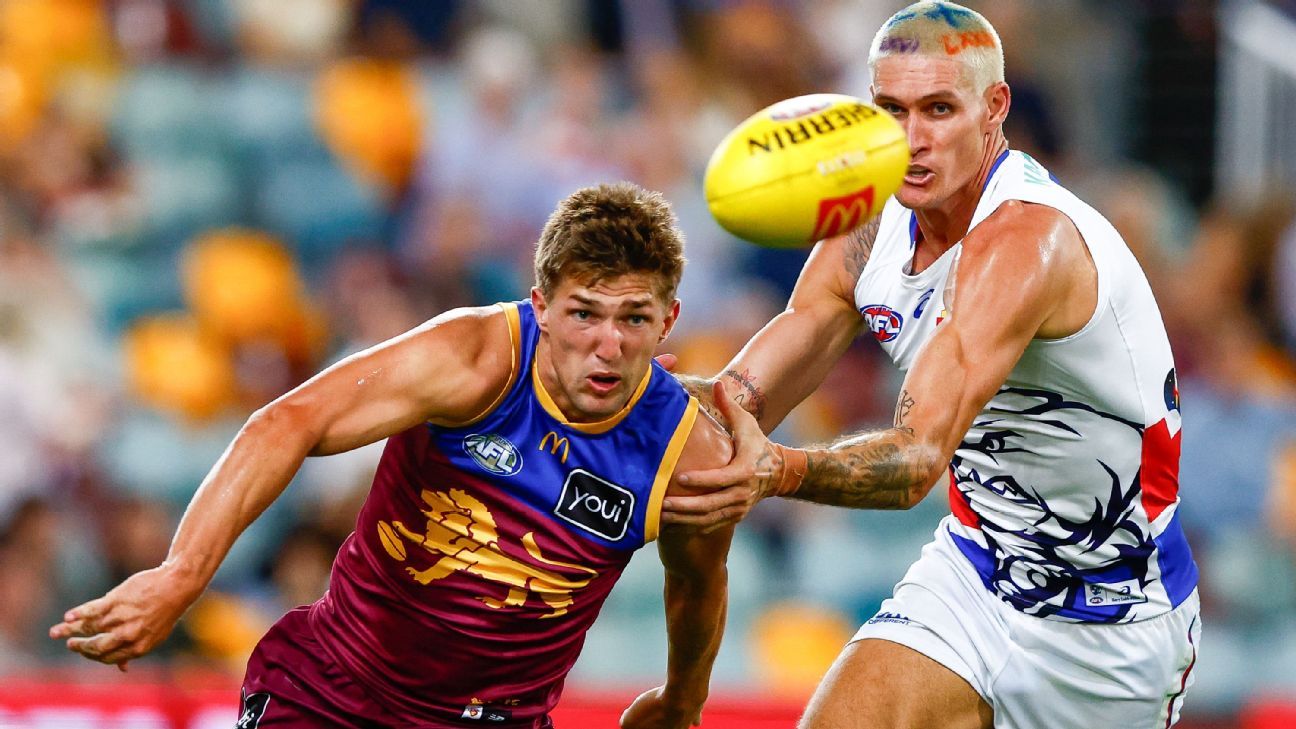
Lions' McCluggage Hit By Recurring Calf Strain: Season Impact?
The Brisbane Lions have been dealt a significant early-season blow with star onballer and co-captain Hugh McCluggage sidelined by a recurring calf strain. This unfortunate development not only impacts the Lions' immediate prospects but also shines a spotlight on a growing AFL-wide challenge of managing key players' calf concerns, a trend that has seen several high-profile athletes face similar setbacks.
McCluggage's absence comes at a critical juncture, particularly after the Lions' Opening Round loss to the Western Bulldogs. The nature of his injury – a recurring issue in the same leg – raises questions about player preparation, management protocols, and the fine line between pushing for fitness and risking further, more debilitating injuries.
McCluggage's Setback: A Familiar Foe Returns
Hugh McCluggage, a vital cog in Brisbane's midfield machinery, experienced discomfort late in the first quarter of the Opening Round clash against the Western Bulldogs. He subsequently took no further part in the match, prompting immediate concern among the Lions' faithful. Scans later confirmed a minor strain in his left calf, an injury that will see him miss at least the upcoming fixture against Sydney.
The Immediate Impact: Missing the Swans Clash
Missing the dynamic onballer for the Sydney clash is undoubtedly a significant challenge for coach Chris Fagan and his team. McCluggage's elite ball-winning ability, precise disposal, and relentless work rate are difficult to replace. His absence will demand other midfielders step up, and it may force tactical adjustments to cover the void left by his customary output.
A Pattern Emerges: From Cork to Strain
What makes this particular onballer calf concern more troubling is its recent history. Just nine days prior to the Opening Round incident, McCluggage failed to finish the AAMI Community Series match against Gold Coast due to a cork to the same left calf. While a cork and a strain are distinct injuries, their occurrence in the same muscle group within such a short timeframe raises valid questions. Coach Fagan had indicated that McCluggage trained strongly during the week to prove his fitness, suggesting a determination to play. This scenario highlights the inherent difficulty for clubs and players in differentiating between minor discomfort and the precursor to a more serious soft-tissue injury, especially when the desire to compete is high.
Beyond McCluggage: The AFL's Growing Calf Injury Epidemic
McCluggage's situation, while specific to the Lions, is unfortunately not an isolated incident in the AFL. The start of the season has seen a noticeable surge in calf-related issues impacting several key players across the league, prompting a broader discussion about whether AFL clubs are being cautious enough with their star assets.
Collingwood's Defensive Pillars Also Affected
Mirroring the Lions' predicament, reigning premiers Collingwood also find themselves navigating significant early-season calf concerns. Star defenders Darcy Moore and Jeremy Howe have both been ruled out for the Opening Round and potentially beyond due to recurring calf injuries. Coach Craig McRae openly admitted they are taking a cautious approach, acknowledging these issues are "part of our learning around their bodies." This sentiment – recurring injuries and a cautious approach – echoes the challenges facing Brisbane with McCluggage. It suggests a systemic issue, where the demands of modern AFL football, particularly the explosive movements and high-intensity pre-season training, may be pushing players to their physical limits.
Why Are Calf Injuries So Prevalent?
Several factors likely contribute to the seemingly increasing prevalence of calf injuries in elite Australian Rules Football:
- Increased Game Speed and Intensity: The modern game is faster and more dynamic than ever, requiring constant bursts of acceleration, deceleration, and aerial contests. These movements place immense stress on the calf muscles.
- Pre-Season Load Management: Striking the right balance between building peak fitness and avoiding overload during the pre-season is a perpetual challenge. An aggressive pre-season schedule, especially after an off-season break, can make players vulnerable.
- Age and Previous Injury History: Players entering the later stages of their careers or those with a history of soft-tissue injuries are inherently at a higher risk.
- Genetics and Biomechanics: Individual physiological differences, including muscle fibre type composition and biomechanical efficiencies, can predispose certain athletes to calf issues.
- Fatigue: Cumulative fatigue, both physical and mental, can compromise muscle function and increase injury susceptibility.
Navigating the Recovery: A Cautious Approach is Key
For players like McCluggage, Moore, and Howe, the recovery process is not just about healing the current strain but also about preventing future recurrence. This requires a meticulous and often conservative approach.
The Dangers of Rushing Back
The primary danger of rushing a player back from a calf injury, especially a recurring one, is the high risk of re-injury. A prematurely returned player is likely to suffer a more severe strain, leading to an even longer period on the sidelines. This can create a frustrating cycle for both the player and the club. Medical staff and coaching panels must resist the temptation to expedite returns, prioritizing long-term health over immediate availability.
Advanced Diagnostics and Rehabilitation Strategies
Modern sports medicine employs sophisticated tools to manage calf injuries. MRI scans provide detailed insights into the extent of muscle damage. Rehabilitation protocols are highly individualized, typically involving:
- Rest and Protection: Initially, reducing load on the affected muscle.
- Progressive Loading: Gradually increasing stress through controlled exercises, from low-impact activities to sport-specific movements.
- Strength and Conditioning: Focusing on strengthening the entire kinetic chain, including the glutes, hamstrings, and core, to reduce strain on the calf.
- Neuromuscular Control: Exercises to improve balance, coordination, and proprioception.
- Soft Tissue Work: Massage, dry needling, and stretching to improve flexibility and reduce muscle tightness.
Preventative Measures and Load Management
Beyond treating existing injuries, clubs are increasingly focused on prevention. This includes:
- Individualised Training Programs: Tailoring training loads based on a player's physical metrics, GPS data, and subjective feedback.
- Sophisticated Monitoring Systems: Using GPS trackers and other wearables to track player load during training and games, identifying potential fatigue markers.
- Recovery Protocols: Emphasizing adequate sleep, nutrition, hydration, and active recovery techniques.
- Biomechanics Screening: Identifying and addressing any biomechanical inefficiencies that may contribute to overload in specific muscle groups.
Season Implications for the Lions and Other Clubs
The absence of a star onballer like Hugh McCluggage sends ripples through the Lions' playing list and strategic planning.
Leadership and Midfield Void for Brisbane
As co-captain, McCluggage's leadership both on and off the field is invaluable. His absence creates a void in a crucial part of the ground, where his consistent output and ability to influence games are profound. The Lions' midfield depth will be tested, with younger players or those on the fringe needing to step up to fill significant shoes.
Impact on Team Dynamics and Depth
Every injury forces a reshuffle. For Brisbane, it means players like Jaspa Fletcher, Will Ashcroft (upon his return), or even shifting someone like Zac Bailey into a more permanent midfield role might be necessary. This can impact team chemistry and defensive structures until new combinations settle. The early part of the season is often about building momentum, and key injuries can disrupt that rhythm.
The Broader Picture: How Clubs Manage Key Player Absences
The calf concerns affecting McCluggage, Moore, and Howe highlight the critical importance of squad depth and robust injury management programs in the AFL. Clubs with strong development pathways and a deep roster are better positioned to weather these inevitable storms. It's a testament to the rigorous nature of professional football that even the most meticulous preparations can be derailed by soft-tissue injuries.
Conclusion
Hugh McCluggage's recurring calf strain is a significant blow to the Brisbane Lions and a stark reminder of the physical toll of elite-level AFL football. While the club will undoubtedly be taking every precaution with their star onballer, his absence adds to a growing list of high-profile players battling similar calf concerns across the league. This trend underscores the need for continued vigilance, sophisticated load management, and cautious rehabilitation protocols to protect players and ensure their long-term health. For the Lions, the challenge now lies in adapting and demonstrating their depth as they navigate the early part of the season without one of their most influential figures.