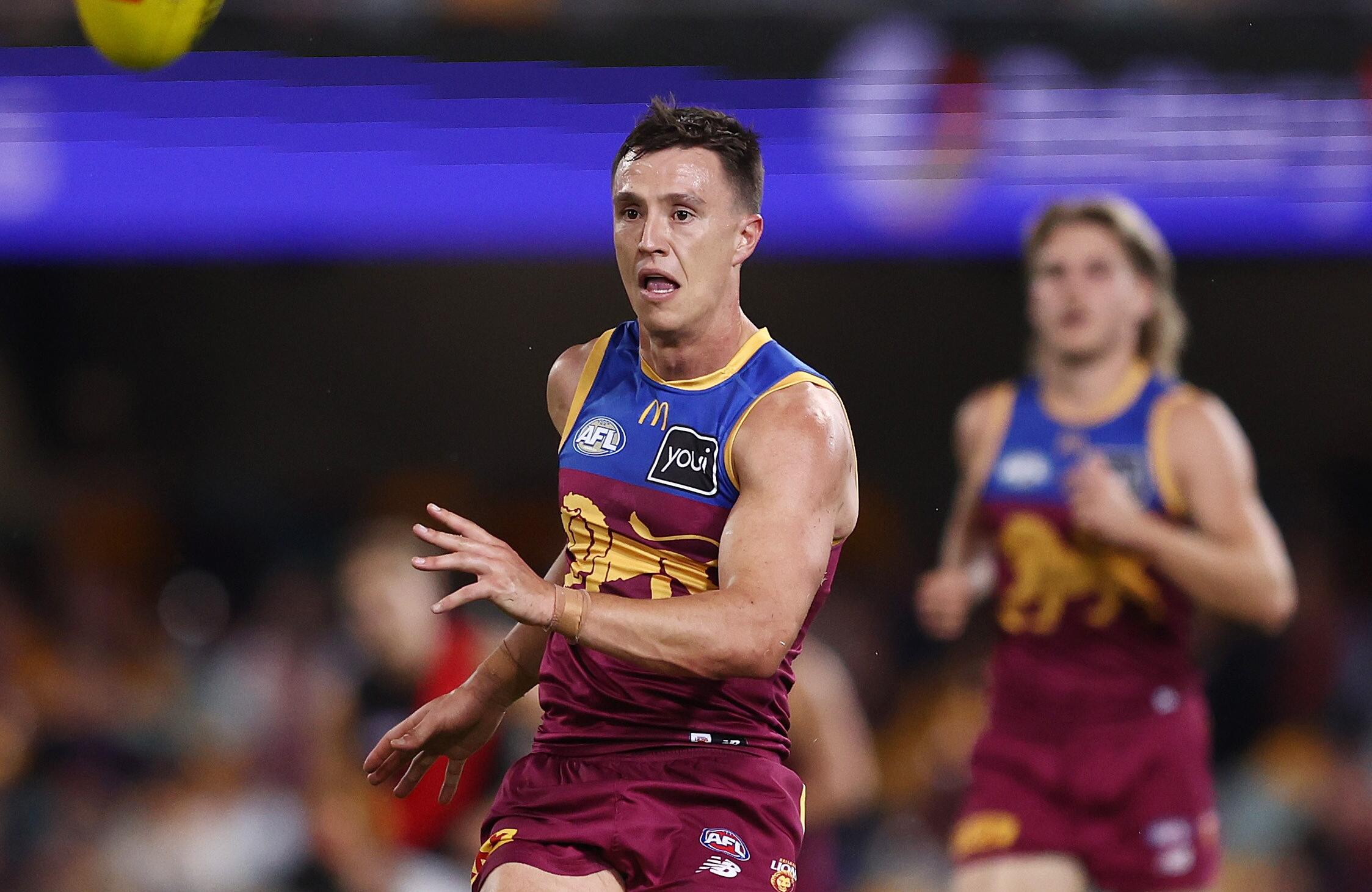
The AFL's Growing Calf Injury Epidemic: From McCluggage to Moore and Beyond
The Australian Rules Football landscape is as dynamic as the game itself, but one persistent and increasingly worrying trend is casting a shadow over early-season optimism: the proliferation of calf injuries. From star Lions onballer Hugh McCluggage to Collingwood's defensive pillar Darcy Moore, the AFL's recurring calf injury epidemic is challenging clubs and leaving fans on edge. This isn't just about individual setbacks; it points to a broader onballer calf concern and a systemic challenge in player preparation and management.
The opening rounds of any AFL season are filled with anticipation, but for several clubs, that excitement has quickly morphed into concern as key players succumb to soft-tissue complaints. The calf, a seemingly innocuous muscle, has emerged as a particularly stubborn adversary, often striking down players who are crucial to their team's structure and performance. This article delves into the scope of this challenge, exploring why these injuries are so prevalent, their impact on players and clubs, and the strategies being employed to combat them.
The Proliferation of Calf Concerns in the AFL's Elite
The early stages of the 2024 season have provided stark reminders of the calf's capacity to disrupt. Brisbane Lions co-captain and gun midfielder Hugh McCluggage epitomises the pressing onballer calf concern. His early exit from the Opening Round loss to the Western Bulldogs due to a minor strain in his left calf was a significant blow, especially as it followed a cork to the *same calf* just nine days prior in the AAMI Community Series. Coach Chris Fagan's revelation that McCluggage had "trained strongly" to prove his fitness highlights the tightrope players and medical staff walk between readiness and risk.
It's not just midfielders who are vulnerable. Collingwood, fresh off a premiership, faced an immediate defensive crisis with star players Darcy Moore and Jeremy Howe both ruled out of their opening blockbuster due to calf injuries. Coach Craig McRae's cautious stance – admitting they might miss "a little bit after that" due to "recurring calf injuries" – underscores a growing trend. These aren't isolated incidents but rather a pattern that suggests the intense demands of modern AFL are pushing players to their limits, making even the most seasoned athletes susceptible to this persistent soft-tissue problem.
Why are Calf Injuries Becoming So Prevalent, Especially for Onballers?
Understanding the rise in calf injuries requires a closer look at the unique physiological and game-related stresses placed on AFL athletes, particularly those in high-intensity roles like midfielders.
The Demands of the Modern AFL Game
The game has evolved dramatically. It's faster, more powerful, and requires athletes to perform explosive accelerations, rapid decelerations, and multi-directional changes repeatedly over four quarters. Onballers, in particular, are at the epicentre of this dynamism. They cover vast distances at high speeds, are involved in constant contests, and must be able to sprint, jump, and change direction instantly. This puts immense, repetitive strain on the calf muscles, which are crucial for propulsion and braking.
- Explosive Movements: Sprints from a standing start, chasing, tackling, and leading all require powerful calf contractions.
- Repeated Strain: The sheer volume of high-intensity efforts over a game and across a season accumulates microtrauma.
- Fatigue: As fatigue sets in, muscle mechanics can alter, increasing the risk of injury.
Pre-Season Loading and Management
The pre-season is a delicate balancing act. Clubs aim to build a robust fitness base, but the rush to prepare players for the demands of early-season games can sometimes backfire. A player carrying a minor niggle, like McCluggage's previous cork to the same calf, might be pushed to "prove his fitness," inadvertently setting the stage for a more significant strain. The intensity of pre-season drills, coupled with the desire to be match-fit, can lead to overloading the calf muscles, particularly in individuals with a history of soft-tissue issues.
The Nature of Calf Muscles
The calf complex (gastrocnemius and soleus) is surprisingly complex and often misunderstood. It's heavily involved in every aspect of movement, from walking to jumping. They are also notoriously prone to recurrence once injured. The healing process can be slow, and returning to high-intensity activity too soon, even with what feels like a minor strain, can lead to re-injury. This is a key factor in the recurring issues seen with players like Moore and Howe, necessitating a more cautious, long-term approach to their rehabilitation.
Navigating the Recovery: A Cautious Approach or a Costly Rush?
The dilemma facing AFL coaches and medical teams is immense. There's immense pressure to get star players back on the park, but the risk of rushing a calf injury is well-documented. Darcy Moore and Jeremy Howe's situation at Collingwood exemplifies the cautious approach. Coach McRae's willingness to rule them out for early games and potentially longer demonstrates an understanding that safeguarding these key assets for the entire season outweighs the immediate gain of their presence in Round 1. This strategy is becoming more common, especially with players who have a history of recurring calf issues.
Conversely, the case of Hugh McCluggage highlights the potential pitfalls of pushing through. While his initial cork might have seemed minor, the subsequent strain in the same calf suggests a direct link. For clubs, the question isn't just about getting players back, but getting them back *sustainably*. A short-term return followed by another stint on the sidelines can be more detrimental than an extended, well-managed recovery. This critical balance between immediate impact and long-term availability is a constant negotiation in the high-stakes world of professional sport.
Prevention and Best Practices: Minimising the Onballer Calf Concern
Given the growing challenge, AFL clubs are continually refining their strategies to prevent and manage calf injuries. These are multi-faceted approaches combining cutting-edge sports science with practical, athlete-centred care.
Comprehensive Strength and Conditioning
Targeted strength programs are crucial. This isn't just about general calf raises but involves specific exercises designed to build resilience and strength in various planes of movement, mimicking the demands of the game.
- Eccentric Training: Focusing on the lengthening phase of muscle contraction to build strength and elasticity.
- Plyometric Drills: Improving the calf's ability to absorb and generate force rapidly.
- Graded Exposure: Gradually increasing the load and intensity of training to condition the calves for game day.
Load Management and Monitoring
Modern sports science provides invaluable tools. GPS trackers, accelerometers, and heart rate monitors allow clubs to meticulously track player loads during training and games. This data helps identify players who might be at risk of overloading or under-recovering. Player-reported wellness scales, sleep quality, and mood also contribute to a holistic picture.
- Individualised Programs: Adjusting training loads based on each player's history, position, and recovery capacity.
- Progressive Overload: Ensuring a gradual increase in intensity rather than sudden spikes.
Targeted Recovery Strategies
Recovery is as important as training. Effective recovery helps repair muscle tissue, reduce inflammation, and prepare the body for the next session. This includes:
- Massage and Soft Tissue Work: To improve circulation and reduce muscle tension.
- Dynamic Stretching and Mobility Drills: Maintaining flexibility and range of motion.
- Nutrition and Hydration: Fueling muscle repair and overall bodily function.
- Adequate Sleep: The most potent recovery tool, allowing the body to repair and rebuild.
Individualised Programs for Recurring Injuries
For players with a history of calf issues, like Moore, Howe, and potentially McCluggage, highly individualised programs are essential. This might involve additional preventative exercises, modified training schedules, or specific rehabilitation protocols tailored to their unique biomechanics and injury patterns. Genetic predispositions and lifestyle factors are also increasingly considered.
The AFL's growing onballer calf concern, exemplified by the early-season challenges faced by Hugh McCluggage, Darcy Moore, and Jeremy Howe, underscores a significant hurdle for clubs. As the game continues to demand peak physical performance, the delicate balance between pushing athletes to their limits and protecting them from injury becomes ever more critical. With sophisticated sports science, careful load management, and a commitment to cautious, long-term player welfare, clubs hope to turn the tide against this persistent injury, ensuring that stars remain on the field, dazzling fans throughout the season.