AFL's Recurring Calf Injury Epidemic: Are Clubs Being Cautious Enough?
The Australian Football League, a sport synonymous with explosive athleticism and relentless physical demands, has once again been gripped by a concerning trend: the prevalence of recurring calf injuries among its star players. As the new season kicks off, headlines are already dominated not by on-field heroics, but by high-profile onballer calf concerns. From Brisbane's dynamic Hugh McCluggage to Collingwood's defensive stalwarts Darcy Moore and Jeremy Howe, these setbacks are forcing clubs to confront a critical question: are they truly being cautious enough, or is the pressure for early-season performance leading to preventable recurrences?
The Anatomy of an AFL Calf Injury: Why It's a Persistent Threat
The calf muscles, primarily the gastrocnemius and soleus, are crucial for the rapid acceleration, deceleration, jumping, and cutting movements that define modern AFL. These muscles are propulsion powerhouses, enabling players to launch into sprints, change direction at top speed, and leap for marks. This constant, high-intensity loading makes them inherently vulnerable to injury.
AFL players are frequently exposed to different types of calf ailments. A common precursor can be a 'cork' or contusion – a direct impact causing bleeding and bruising within the muscle. While seemingly minor, a poorly managed cork can weaken the muscle and predispose it to a more severe strain (a tear of muscle fibers). This appears to be the unfortunate trajectory for Lions co-captain Hugh McCluggage. After suffering a cork to his left calf in the AAMI Community Series, he trained strongly to prove his fitness, only to endure a minor strain in the same calf during the Opening Round. This quick succession from cork to strain highlights the delicate balance between recovery and the desire to return to play, especially for a key midfielder.
The nature of calf strains also varies. They can range from a minor Grade 1 tear, involving only a few muscle fibers, to a more debilitating Grade 3 rupture. Regardless of severity, their location – often in the musculotendinous junction – and the constant demands placed upon them during AFL play make them notoriously difficult to rehabilitate completely. Incomplete recovery or an aggressive return-to-play protocol significantly elevates the risk of recurrence, trapping players and clubs in a frustrating cycle of injury and absence. For a deeper dive into specific player impacts, read Lions' McCluggage Hit By Recurring Calf Strain: Season Impact?
Navigating the Recovery Minefield: The 'Cautious Approach' vs. Performance Pressure
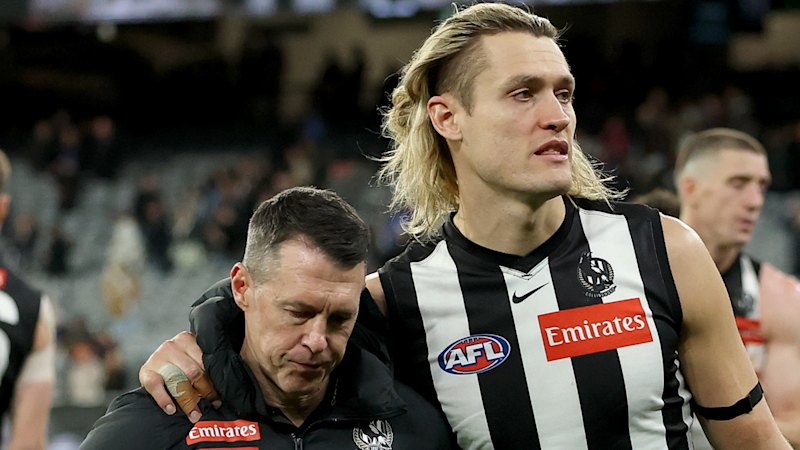
The dilemma facing AFL clubs is a stark one: risk a player's long-term health and team stability by rushing them back, or take a truly cautious approach, potentially sacrificing early-season wins. The Collingwood Football Club's handling of Darcy Moore and Jeremy Howe provides a contrasting example to McCluggage's quick re-injury. Coach Craig McRae openly stated that both defensive pillars would miss the opening round due to recurring calf injuries, and might even miss more games beyond that. This strategic decision, prioritising the players' long-term availability over immediate gratification, speaks volumes about the perceived severity and persistent nature of these injuries.
In elite sport, especially with the financial stakes and competitive pressures of the AFL, the call to sideline a star onballer calf concern is never easy. Coaches face pressure from fans, media, and even their own players to field the strongest possible team. However, rushing a player back, particularly from a muscle injury prone to recurrence like the calf, is a gamble that rarely pays off. A premature return often leads to a more severe re-injury, sidelining the player for an even longer period and potentially causing greater damage to team morale and performance.
Modern sports science provides objective markers for return-to-play, including strength tests, running drills, and imaging. Yet, the subjective feeling of a player – their readiness and confidence – is equally critical. The Magpies' decision to take a cautious approach, despite Moore and Howe "progressing well," underscores a commitment to thorough rehabilitation and load management, recognising that a healthy player later in the season is far more valuable than a risked one in the early rounds. The broader implications of this trend for the league are explored in From McCluggage to Moore: The AFL's Growing Calf Injury Challenge.
Proactive Strategies: Preventing the Onballer Calf Concern
Mitigating the risk of recurring calf injuries requires a multifaceted approach that extends beyond simple rest. AFL clubs are at the forefront of sports science, yet the persistent nature of these injuries indicates there's always room for refinement in prevention and management strategies.
- Individualised Load Management: Utilising GPS tracking and RPE (Rate of Perceived Exertion) data to tailor training loads for each player, avoiding sudden spikes that can overload muscles. This is particularly vital for onballer calf concerns given their high-intensity workloads.
- Targeted Strength and Conditioning: Incorporating eccentric training, which focuses on muscle lengthening under tension (e.g., controlled heel drops), has shown promise in improving calf resilience. Strengthening the entire posterior chain (hamstrings, glutes) also reduces strain on the calves.
- Biomechanical Analysis: Identifying and correcting any biomechanical imbalances or inefficient movement patterns during running, jumping, or kicking that might place undue stress on the calf muscles.
- Comprehensive Warm-ups and Cool-downs: Ensuring dynamic warm-ups adequately prepare the calf muscles for activity and that cool-downs aid recovery and flexibility.
- Nutrition, Hydration, and Recovery: Optimal protein intake for muscle repair, sufficient hydration for muscle function, and adequate sleep are foundational to injury prevention. Cryotherapy, massage, and stretching protocols also play a role in reducing fatigue and promoting recovery.
- Player Education: Empowering players to understand their bodies, recognise early warning signs, and communicate any discomfort promptly to medical staff. This fosters a proactive culture around injury management.
The Long-Term Fallout: What Recurring Injuries Mean for Players and Teams
The impact of recurring calf injuries stretches far beyond a few missed games. For players, these persistent setbacks can be mentally debilitating, eroding confidence and potentially shortening careers. The constant cycle of rehabilitation, return, and re-injury takes a significant psychological toll, affecting not just physical performance but also mental well-being.
For clubs, the consequences are equally severe. The absence of key players, especially versatile onballers who are central to a team's strategy, disrupts game plans, forces coaches to shuffle lineups, and can expose depth issues. If several key players are simultaneously sidelined with similar injuries, it can derail a season and impact team morale. Furthermore, the financial investment in injured players continues, highlighting the significant economic burden that accompanies these long-term absences.
Ultimately, a robust injury prevention and management strategy is not just about player welfare; it's a critical component of sustainable team success. Clubs that demonstrate genuine caution and invest in cutting-edge sports science are more likely to have their star players available when it matters most – in the latter stages of the season and during finals campaigns.
Conclusion
The AFL's recurring calf injury epidemic, epitomised by the early-season struggles of players like Hugh McCluggage, Darcy Moore, and Jeremy Howe, serves as a stark reminder of the immense physical demands of the game. While the desire to compete and win is inherent in elite sport, the evidence suggests that a truly cautious and evidence-based approach to rehabilitation and return-to-play is paramount. Prioritising player long-term health, even if it means short-term absences for star onballer calf concerns, is not just a moral imperative but a strategic necessity for sustained success in the competitive landscape of the AFL. Clubs that master this balance will ultimately be the ones to thrive.